How to Handle a Frozen AC Pipe: Complete Guide
Find Out MoreWe have discovered the article about What Causes AC Pipes To Freeze? directly below on the internet and decided it made sense to discuss it with you in this article.

Intro
Finding that your air conditioning pipeline is iced up can be concerning, specifically during warm summer season when you rely on your air conditioning unit the most. Recognizing what to do in such a situation is critical to prevent additional damages to your cooling system and guarantee your convenience indoors.
Recognizing the Causes
A number of aspects can add to the freezing of an a/c pipeline. Recognizing these reasons can help you deal with the issue efficiently.
Lack of Airflow
One typical root cause of an icy air conditioner pipeline is inadequate air movement. When the air flow over the evaporator coil is limited, it can create the coil to go down below freezing temperature, resulting in ice formation on the pipe.
Low Refrigerant Levels
Inadequate cooling agent degrees in your AC system can also result in an icy pipe. Low cooling agent degrees can cause the pressure in the system to drop, causing the freezing of moisture on the evaporator coil.
Cold Weather Conditions
In colder climates, freezing temperature levels outside can contribute to the cold of air conditioner pipelines. If your air conditioner device is not effectively insulated or if there are leakages in the ductwork, cool air can penetrate the system, triggering the pipeline to freeze.
Dirty Air Filters
Unclean or stopped up air filters can restrict air flow in your air conditioning system, resulting in numerous issues, including an icy pipeline. It's essential to replace or clean your air filterings system routinely to make sure correct air movement and protect against ice buildup.
Indicators of a Frozen Air Conditioner Pipe
Identifying the indicators of an icy air conditioner pipeline is vital for punctual activity.
Decreased Airflow
If you observe a considerable reduction in airflow from your vents, it could show an icy pipe.
Ice Buildup on the Pipe
Noticeable ice accumulation on the refrigerant line or the evaporator coil is a clear sign of a frozen AC pipeline.
Unusual Sounds from the Unit
Uncommon noises, such as hissing or bubbling, originating from your air conditioning device can signal that there's ice present on the pipe.
Immediate Actions to Take
When faced with a frozen air conditioner pipeline, it's necessary to act rapidly to avoid additional damage to your air conditioning system.
Shutting off the AC
The initial step is to turn off your a/c to stop the system from running and worsening the concern.
Checking for Blockages
Examine the area around the indoor system for any type of blockages that might be blocking air flow, such as furniture or curtains.
Thawing the Pipe
You can use gentle methods like placing towels taken in cozy water around the frozen pipeline to help thaw it slowly.
Preventive Measures
Taking preventive measures can help avoid future occurrences of an icy a/c pipeline.
Routine Maintenance Checks
Schedule normal upkeep consult an expert HVAC professional to make certain that your air conditioning system is running successfully.
Transforming Air Filters
Regularly change or cleanse your air filters to avoid air movement limitations and preserve optimum efficiency.
Shielding Exposed Pipes
If your air conditioner pipes are revealed to cold temperatures, take into consideration protecting them to stop cold during cold weather.
Looking For Professional Help
If DIY approaches fail to settle the issue or if you're not sure concerning just how to continue, it's ideal to seek aid from a qualified HVAC specialist.
When DIY Methods Fail
If your attempts to thaw the pipe or address various other concerns are not successful, it's time to employ a professional.
Value of Hiring a Professional HVAC Technician
A qualified HVAC professional has the know-how and devices essential to diagnose and repair issues with your air conditioner system securely and successfully.
Final thought
Dealing with an icy AC pipe can be an irritating experience, however recognizing just how to react can help decrease damages and recover comfort to your home. By comprehending the causes, recognizing the indications, and taking punctual activity, you can efficiently resolve the issue and protect against future events.
5 Reasons Why Your AC Line is Freezing Up and How to Troubleshoot Them
There are multiple reasons why your AC line is frozen. Anything from dirty filters to refrigerant leaks can cause a frozen AC line. Not all reasons can be easily fixed at home, and you may need an air conditioning repair service to tackle chemical coolant leaks, and the malfunctioning of internal parts.
Blocked Vents
First, check the supply vents. Are there obstructions blocking the supply vents, causing the cooled air to circulate inside the unit, or are there obstructions making it difficult for the cold air to travel through the room? Obstructions, such as furniture, fixtures, and walls, blocking the air flow from the vents are some of the common reasons why your AC line is frozen.
To troubleshoot, power your AC system off. Check all the vents in both the indoor and outdoor units to see if there are fixtures or debris blocking the supply vents, and remove these obstructions. Let the frozen AC line thaw out before powering the AC system back on, then see if this solves the problem with your air conditioner line.
Dirty Air Filter and Coils
You may notice your AC unit blowing warm air instead of cool air due to a dirty air filter. Besides blocked vents, dust accumulated in filters and coils can also cause a frozen AC line as the debris locks in moisture inside your air conditioning system. As the air conditioner cools the air, it freezes the accumulated moisture surrounding the filter and evaporator coils.
Troubleshooting this problem is fairly simple. Power your AC unit off, then let the frozen AC line thaw. You may use a hair dryer to apply warm air to thaw the ice buildup faster, but this is not necessary. Remove the air filter carefully, and wash it with a combination of soap and water. Vacuum up the dust surrounding the evaporator coils.
Refrigerant Leak
A refrigerant leak is another cause for a frozen air conditioner, however, this issue cannot be easily solved at home. Refrigerant is what cools the air that goes through the air conditioning unit, and when the chemical coolant leaks out, it can freeze up the water accumulation around the evaporator coils.
Refrigerant leaks cannot be solved at home without proper tools. The coolant can be irritating to the skin and lungs, so it is best to have a professional find and fix the leak. A professional HVAC technician will use a colored dye to locate the leak, fix it, and top up your refrigerant to keep your air conditioner in good condition.
Cold Air
If the weather is cold outside, it can cause your air conditioner to freeze. An air conditioner freezes when there is enough humidity inside the unit, coupled by freezing-low temperatures outside. When this happens, your AC unit may blow warm air instead of cooled air, and you may notice ice accumulation around the evaporator coil.
To troubleshoot this, shut down your air conditioner, and check the frozen AC lines. Air conditioners often dehumidify spaces, so check whether a dirty evaporator coil is causing moisture to accumulate inside. Let the frozen AC lines thaw out, and clean the filters and dirty evaporator coil as needed. Avoid using your unit in cold weather.
Blower Fan Failure
You may notice the air flow around your unit getting weaker despite using the highest fan mode setting. This may be due to a problem with your blower fan. A malfunctioning blower fan cannot direct the cooled air out of the unit, while the exhaust unit continues to remove warm air from inside the air conditioner. As a result, the unit’s evaporator coil freezes.
For blower motor and fan blade problems, it is best to leave the issue to the professionals as they will be able to assess and determine the root cause of the problem. Have your faulty fan motor replaced, and have a professional check your air conditioner from the compressor to the evaporator coil for a thorough checkup.
Clean your air conditioner thoroughly
Wash the air filter at least once every two weeks to remove dust accumulation, and vacuum up the evaporator coils as well. Give your outdoor unit a good rinse with the garden hose on a hot day to dislodge any debris inside.
Avoid using your AC unit in cold weather
Cool temperatures can cause moisture inside your AC unit to freeze, so it is best to use the heater setting of your unit, or keep the temperature on a moderately high level to prevent a frozen AC line.
Have your unit professionally checked
Your HVAC system will benefit from a professional checkup by one of our Luce Aircon technicians. Have our technicians check your unit every 4-6 months for the best care.
Avoid overworking your AC unit
An overworked air conditioning system is more likely to break down faster. Use your HVAC systems only as needed, and let the air conditioning unit cool down after a long period of use.
Keep the vents clear
This will keep the air flow circulated around the room, and prevent the cooled air from freezing up your AC line.
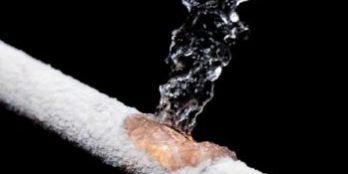
We are very interested by What Do I Do If My AC Pipe Is Frozen and I am hoping you liked the new piece. Are you aware of anybody else who is curious about the topic? Why not promote it. Kudos for your time. Visit again soon.
Phone